Course Description
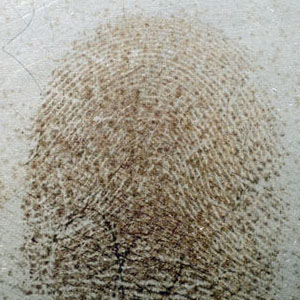
This four-day workshop is designed to make attendees aware of research efforts targeting fingerprint detection on skin and landmark case histories, and to explain the science behind the techniques that have proven successful in homicide investigations. The attendee will explore through hands-on experience the techniques that have identified murderers by fingerprints left on the skin of their victims. The proper removal and examination process is vital to obtaining the most evidence. Sequential examination and processing will be emphasized, as will the necessity of cooperation with medical examiners and other partners in the investigation process. With the scientific foundation provided, you will be able to properly document, present, and defend your evidence in court. It will further outline the importance of planning and organizing a body examination service delivery, and finally, create an effective Standard Operating Procedure.
Target Audience
This course is designed to benefit all investigators who process bodies for evidence.
Be sure you take this class:
- If your police agency investigates homicides
- If your duties include the examination of murder victims and the crime scenes at which they are found
- If you wish to ensure that the recovery of critical evidence from both the victim and crime scene is maximized, and further, that said evidence, through adherence to correct procedure, is afforded the full weight in court that it merits
- You are developing or updating a body examination SOP

Course Logistics
Should be Able to Perform
At the completion of this workshop, the attendee will have the knowledge and practical experience to:
- Speak to and explain landmark developments in the detection of fingerprints on skin
- Diagnose and triage a murder victim and/or crime scene
- Develop a protocol for the sequential examination of both
- Apply examination techniques correctly and in the right order
- Preserve and photograph all recovered evidence
- Tender such evidence in court
Course Schedule
| Duration | Day 1 | Day 2 | Day 3 | Day 4 |
|---|---|---|---|---|
| 1 Hour | Opening Remarks / History and Rationale | Procedures | Laboratory Session | Photography / Theory |
| 1 Hour | ||||
| 1 Hour | Strategy and Policy | Techniques and Evidence | Photography Exercises | |
| 1 Hour | ||||
| 1 Hour | Lunch | Lunch | Lunch | Lunch |
| 1 Hour | Health & Safety | Mock Crime Scenes | Laboratory Session | Workshop Review |
| 1 Hour | ||||
| 1 Hour | Crime Scene DNA | Questions / Closing Remarks | ||
| 1 Hour |
Must Bring to Class
- A lab smock.
- A digital SLR camera capable of macro photography with a tripod is optional but strongly recommended.
- Students will benefit the most if they are familiar with the operation of the camera.
- Class attire is business casual.